
News
The latest pulse of cardiovascular care.
Never miss a beat: discover clinical insights, real-life stories, breakthroughs redefining heart care, and Prolaio news.
Company News
Announcements, press coverage, and milestones from the Prolaio team.
-

Family Action Plan: Your Checklist for Cardiomyopathy Inheritance Risk
Read more: Family Action Plan: Your Checklist for Cardiomyopathy Inheritance RiskA heart diagnosis means managing more than just a condition, it means managing a family legacy.
-
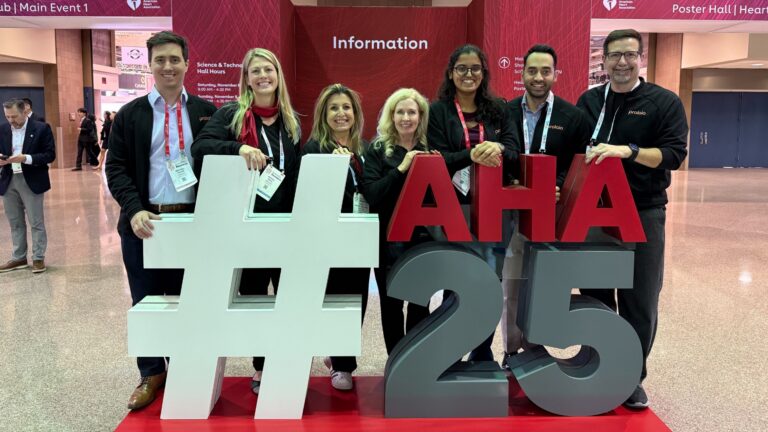
AHA Scientific Sessions 2025: From Technology Potential to Clinical Utility
Read more: AHA Scientific Sessions 2025: From Technology Potential to Clinical UtilityAt AHA 2025, the real story wasn’t one flashy headline, but a shared push toward democratized care.
-

Prolaio’s ISO 13485 Certification, and Why It Matters in a Rapidly Evolving Regulatory Landscape
Read more: Prolaio’s ISO 13485 Certification, and Why It Matters in a Rapidly Evolving Regulatory LandscapeProlaio has secured ISO 13485:2016 and MDSAP certification, demonstrating a quality-first approach to medical device development.
-
Prolaio and Kardigan Combination: A New Era of Heart Health Innovation
Read more: Prolaio and Kardigan Combination: A New Era of Heart Health InnovationProlaio has been acquired by Kardigan, combining real-world cardiac data with a modern cardiovascular drug-development pipeline.


In the media
Prolaio and our team, covered elsewhere.

TIME
World’s Top HealthTech Companies of 2025

Built In
How Prolaio Is Transforming Heart Health With Real-World Data and Clinical Intelligence

Fierce Biotech
Kardigan weaves heart health tech firm Prolaio into cardio R&D fabric

Built In
47 Companies Using Technology in Healthcare to Know

Built In